Introduction
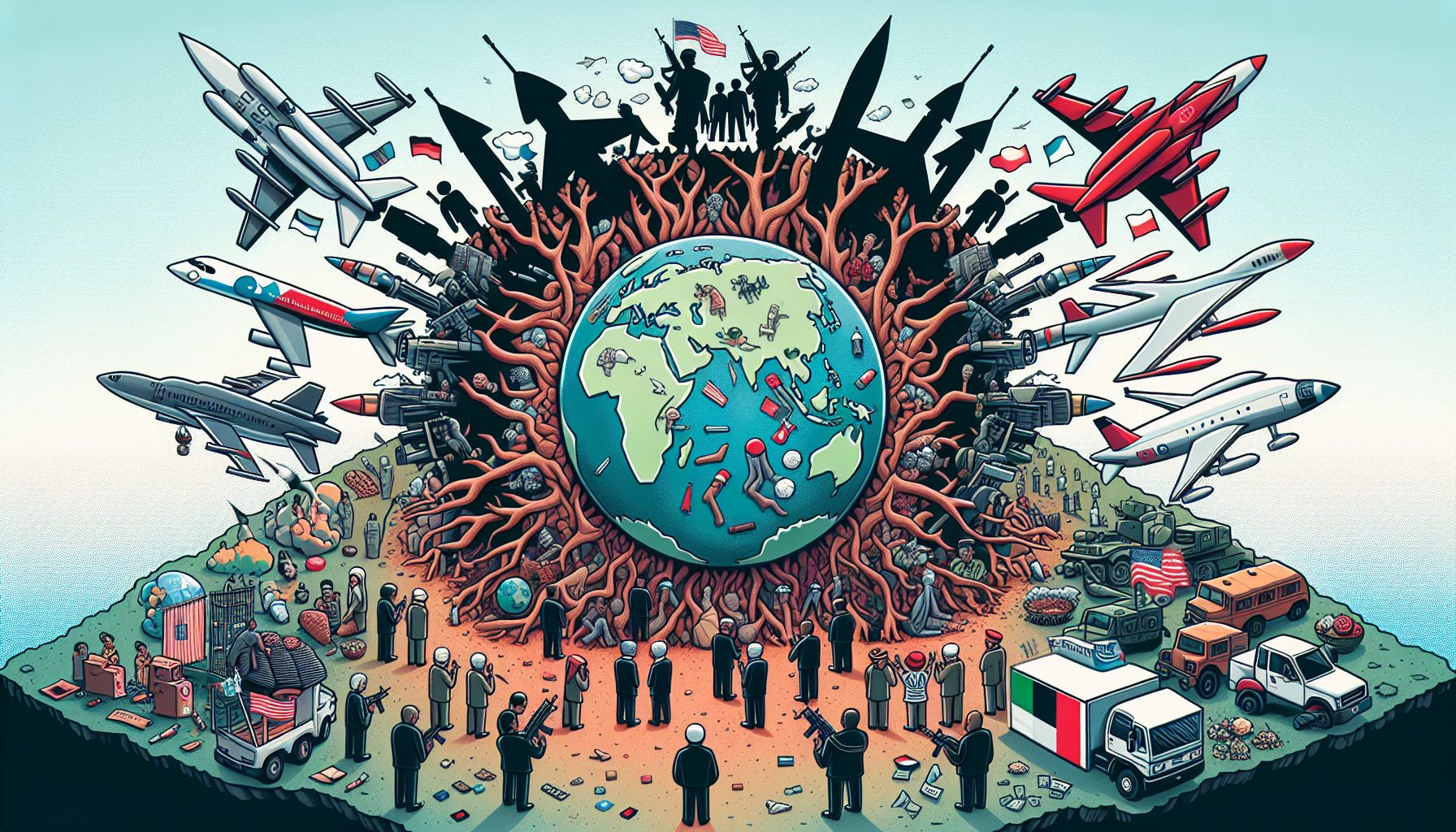
Cross-border conflicts, marked by a history of tension and hostility between nations, continue to persist in various parts of the world. These conflicts often stem from deep-rooted historical grievances, territorial disputes, power struggles, ethnic differences, or resource competition. Understanding the underlying causes and dynamics of these conflicts is crucial to finding sustainable solutions and fostering peace and stability in the international community.
Historical Background
The origins of many cross-border conflicts can be traced back to historical events, such as colonialism, border delineation by colonial powers, or past wars and invasions. These historical legacies have left a lasting impact on the relations between countries, shaping their perceptions, attitudes, and strategic interests towards each other. For example, the India-Pakistan conflict over Kashmir dates back to the partition of British India in 1947, while the Israel-Palestine conflict has deep historical roots in the displacement of Palestinians during the formation of the State of Israel in 1948.
Territorial Disputes
Territorial disputes are a common cause of cross-border conflicts, often fueled by competing claims over land, maritime boundaries, or natural resources. These disputes can escalate tensions between countries and lead to military confrontations or diplomatic standoffs. The South China Sea dispute, involving multiple claimants over strategic waterways and resource-rich islands, has become a flashpoint in East Asia, posing a significant challenge to regional security and stability.
Ethnic and Religious Differences
Ethnic and religious differences can also contribute to cross-border conflicts, as competing national identities or aspirations clash with each other. In some cases, minority populations living across borders seek autonomy or independence, fueling separatist movements and cross-border tensions. The Kurdish conflict, spanning across Turkey, Iran, Iraq, and Syria, is a notable example of an ethnic struggle for self-determination that has transcended national boundaries and triggered regional rivalries.
Power Struggles and Influence
Power struggles and influence dynamics among states, driven by geopolitical interests, alliances, or ambitions for regional dominance, can exacerbate cross-border conflicts. Major powers often intervene in regional disputes to advance their strategic agenda, leading to proxy wars, arms race, or political destabilization in neighboring countries. The Syrian civil war, characterized by the involvement of various external actors supporting rival factions, exemplifies how geopolitical rivalries can prolong conflicts and hinder peace efforts.
Resource Competition
Competition for scarce resources, such as water, energy, or minerals, can intensify cross-border disputes and economic rivalries between states. Control over vital resources can be a source of contention, triggering conflicts over access, distribution, or exploitation of these resources. The Nile River dispute among riparian states in Africa, grappling with water scarcity and food security challenges, underscores the complex interplay between resource competition, environmental sustainability, and regional cooperation.
Conclusion
In conclusion, the understanding of the historical, territorial, ethnic, power, and resource dimensions of cross-border conflicts is essential for addressing the root causes and dynamics of ongoing hostilities between nations. By examining the complex interplay of factors shaping these conflicts, policymakers, diplomats, and peacebuilders can develop effective strategies for conflict prevention, mediation, and resolution. Building trust, promoting dialogue, and fostering mutual understanding are key to resolving cross-border conflicts and achieving lasting peace and security in the global community.
For more insights into conflict resolution and peacebuilding initiatives, visit beamishandmcglue.com.